

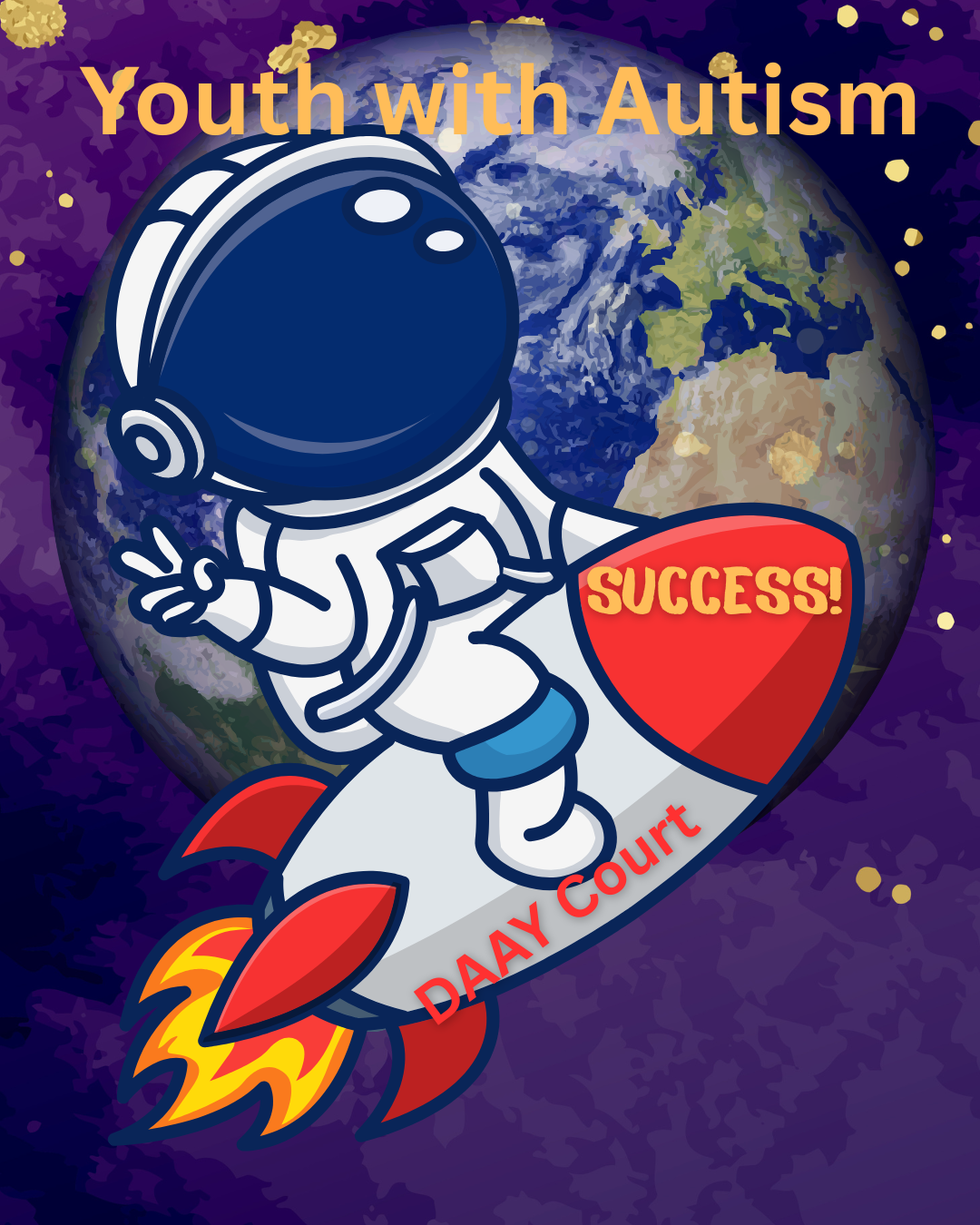
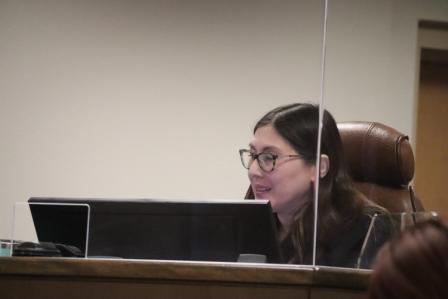
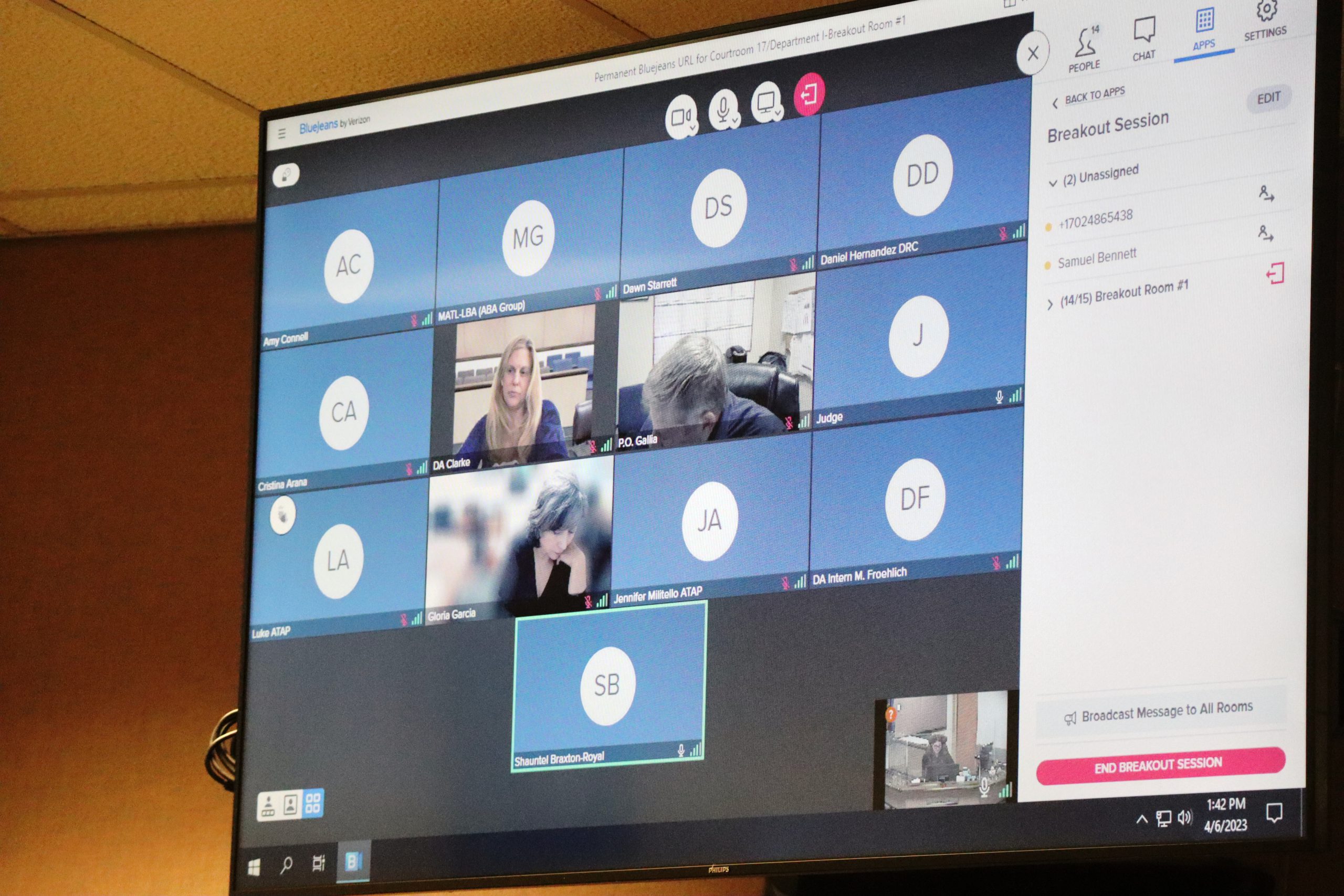
When a Thursday afternoon Detention Alternative for Autistic Youth (DAAY) specialty court hearing with a middle school boy gets underway, you get the feeling that a launch is going to occur. Before the subject minor enters the session, a quick briefing occurs. It’s like a check-in before blast off. Each member of the DAAY court team checks-in with Judge Sunny Bailey on the status of the minor and the parents. The judge takes in all the information and launches into the hearing.
The boy enters with his mother. He is excited to join ROTC and reports on his Reserve Officer Training Corp progress. “We are practicing chain-of-command,” he boasts. “Judge Bailey responds, “We love the word chain-of-command.” The young participant says that he wants to join the military. Graduation from DAAY court keeps that option open for him. He has just two months to go. His mom reports, “He has helped a lot.” The boy is doing much better at home than before his involvement with DAAY court. He now gets things done around the house, instead of creating disruptions.
Judge Bailey notes, “We’ve come a long way from the child we brought in first.” The judge asks, “What branch of the military do you want to join?” “Army,” he replies. Judge Bailey asks the DAAY court team to weigh-in if the child should get “reinforcers.” Reinforcers are small rewards used in DAAY court for meeting program goals. Reinforcement is key in Applied Behavioral Analysis (ABA), a type of therapy that has proven to be effective for youth with autism. Consistency and a behavioral plan are important; and reinforcement should be instantaneous. The DAAY court team agrees that reinforcers are in order. He is presented a selection of gift cards to choose from, as his proud mom giggles in the back. He chooses a $15 gift card to Road Blocks.
Judge Bailey commends his mom for calming herself down from earlier in the hearing, when she vented frustration at having to meet the demands of the program. She gets a Starbucks gift card. Her son advocates for his mom to get an extra card. He tells the judge he wants to graduate after Thanksgiving. His lawyer promises the child he will give him his personal Army pin if he graduates. Judge Bailey wraps up the hearing with a round of applause for the child. As he and his mom get up to leave, he thanks everyone on his way out.
DAAY court is a lot of coordination and moving pieces between the team comprised of the judge, lawyers, providers, and law enforcement. They work with precision to get kids with autism in the juvenile justice system on track. It is not uncommon for autistic youth to be undiagnosed and written-off as “troubled” by schools and others. DAAY court works to correct that.
The Eighth Judicial District DAAY specialty court is the only court of its kind in the nation. When you observe it, you can’t help but think how other courts could benefit from the same techniques. Early intervention can help youth to adapt to the mainstream for better outcomes by the time they get to middle school and eventually move into adulthood.
The success of the DAAY court has led to an offshoot called Neurodevelopmental, Education, Advocacy and Treatment Court (NEAT Court). The purpose of NEAT Court is to increase access and timeliness to neuropsychological, psychiatric, and/or cognitive testing for youth 16 to 18 years of age believed to have gestational substance exposure, including Autism Spectrum Disorder (ASD) or Fetal Alcohol Spectrum Disorders (FASD). It also increases access to supportive services, mentoring, prosocial activities and any other services, including parental training, that may be deemed appropriate by the program for youth diagnosed with FASD or ASD involved in the justice system and their families. The goal of the grant-funded NEAT court is to prevent youth diagnosed with FASD or ASD from further involvement in the justice system through comprehensive services and support.
According to the Mayo Clinic: “Autism spectrum disorder is a condition related to brain development that affects how people see others and socialize with them. This causes problems in communication and getting along with others socially. The condition also includes limited and repeated patterns of behavior. The term “spectrum” in autism spectrum disorder refers to the wide range of symptoms and the severity of these symptoms.”
-
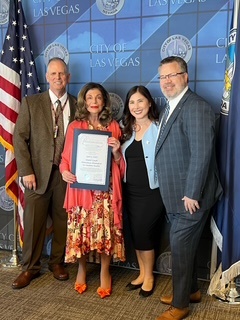
- Judge Jerry Wiese, CLV Mayor Shelly Berkley, Judge Sunny Bailey, EJDC CEO Steven Grierson
-
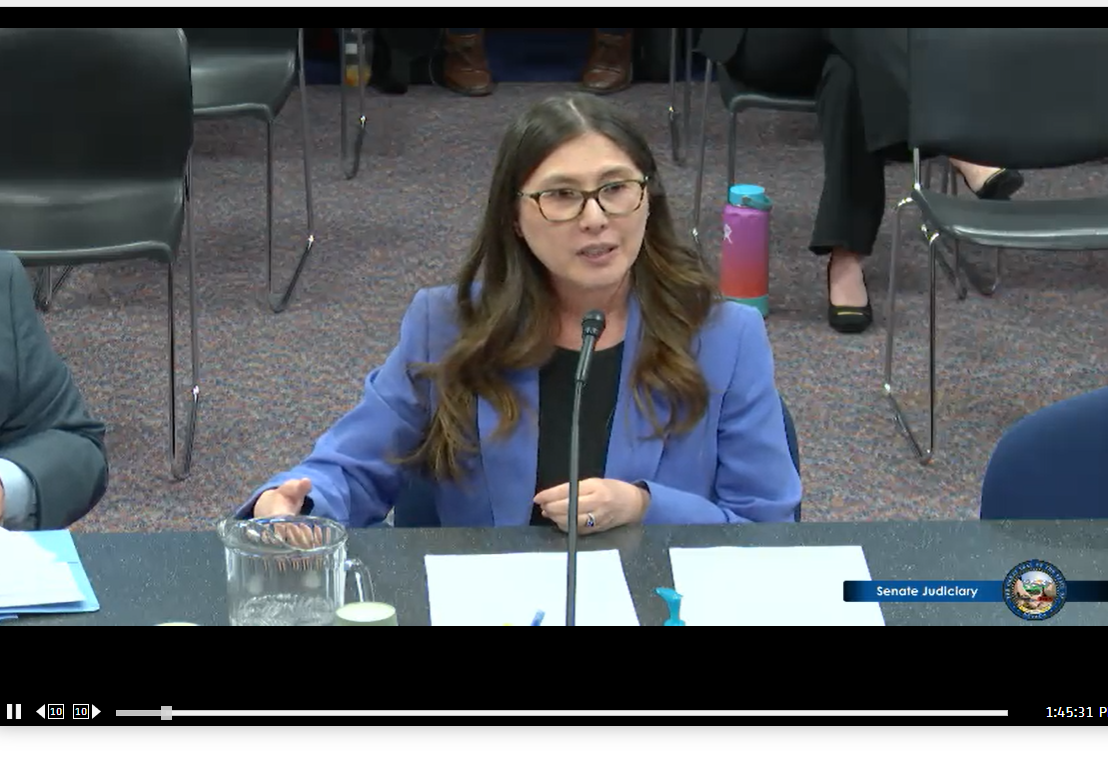
- Judge Bailey described the DAAY court to the committee as, “a program for youth involved in the juvenile justice system with a primary diagnosis of autism. The goal and function of DAAY court is, simply put, to increase the skills and appropriate behavior of youth with autism. The program is designed to address the lack of services and to address the proper programs and services to prevent future illegal behaviors especially aggressive violent behaviors.”
-
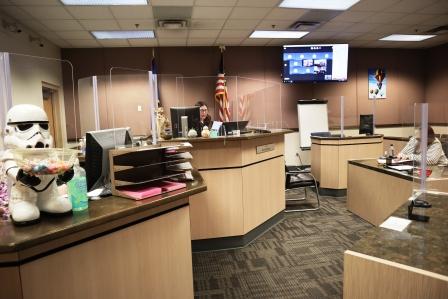
- Judge Sunny Bailey in DAAY court.